
Your labs came back normal. But normal isn’t the same as optimal.
Many patients are told their iron is “fine,” yet continue to deal with persistent fatigue, brain fog, hair shedding, and low energy. If this sounds familiar, you’re not imagining it, and you’re not alone.
At Everwell, we look at lab work differently. Numbers matter, but so does how you actually feel. When both are considered together, a clearer picture often emerges.
One of the most commonly overlooked markers in this conversation is ferritin, and it’s often the missing link behind symptoms that don’t quite add up.
Can You Have Iron Deficiency Without Anemia?
Yes! It’s more common than most people realize.
This is known as iron deficiency without anemia (or non-anemic iron deficiency). It means your iron stores are low, but your hemoglobin levels haven’t dropped far enough to trigger a diagnosis of anemia on a standard blood test.
This is where many patients fall through the cracks.
A typical panel may show:
- Normal hemoglobin
- “Normal” iron
- No clinical flags
But if ferritin isn’t optimized, you can still experience significant symptoms.
What’s the Difference Between Ferritin and Hemoglobin?
Understanding this distinction is key.
- Hemoglobin reflects how much iron is actively being used to carry oxygen in your blood
- Ferritin reflects your stored iron—the reserve your body draws from
Hemoglobin is often the last marker to drop. Ferritin is usually the first.
So while your doctor may say your iron is normal, what they’re often referring to is hemoglobin, not whether your iron stores are actually sufficient for how your body functions day to day.
What Is a “Normal” Ferritin Level?
Standard lab reference ranges for ferritin typically fall between 12–150 ng/mL.

But these ranges are based on population averages, not how people feel at different levels.
Clinically, the picture is more nuanced:
- Iron deficiency is often defined below 30 ng/mL
- Symptoms can begin below 40–50 ng/mL
- Many women don’t feel well until ferritin is consistently above 50–70 ng/mL
This wide range explains why so many patients are told everything looks “fine” while still feeling exhausted.
If you’ve ever wondered, “Why am I tired if my iron is normal?” This is often the answer.
Symptoms of Low Ferritin
Low ferritin symptoms often show up before anything is flagged on standard testing.
These can include:
- Persistent fatigue
- Low energy
- Brain fog and poor concentration
- Hair shedding or thinning
- Dizziness or lightheadedness
- Shortness of breath
- Restless legs
- Cold intolerance
- Reduced exercise tolerance
- Slow recovery
These symptoms are often dismissed or attributed to stress, hormones, or lifestyle, but iron status plays a significant role.
Who Is Most at Risk for Low Ferritin?
Certain groups are more likely to experience low ferritin, even when labs appear normal:
- Premenopausal and perimenopausal women
- Postpartum women
- Endurance athletes
- Vegans and vegetarians
- Those with thyroid dysfunction
- Individuals with chronic inflammation or digestive concerns
If you fall into one of these categories and feel persistently depleted, ferritin is worth a closer look.
Iron Infusions vs Oral Supplements
For some patients, oral iron supplements are enough. But in many cases, they’re not.
Common issues with oral iron include:
- Poor absorption
- Digestive side effects
- Slow improvement in symptoms
This is where IV iron therapy becomes a more effective option.
When oral iron doesn’t work:
- Ferritin levels don’t increase despite supplementation
- Symptoms persist or worsen
- Absorption is impaired (gut issues, inflammation)
- Faster repletion is needed
Benefits of Iron Infusions
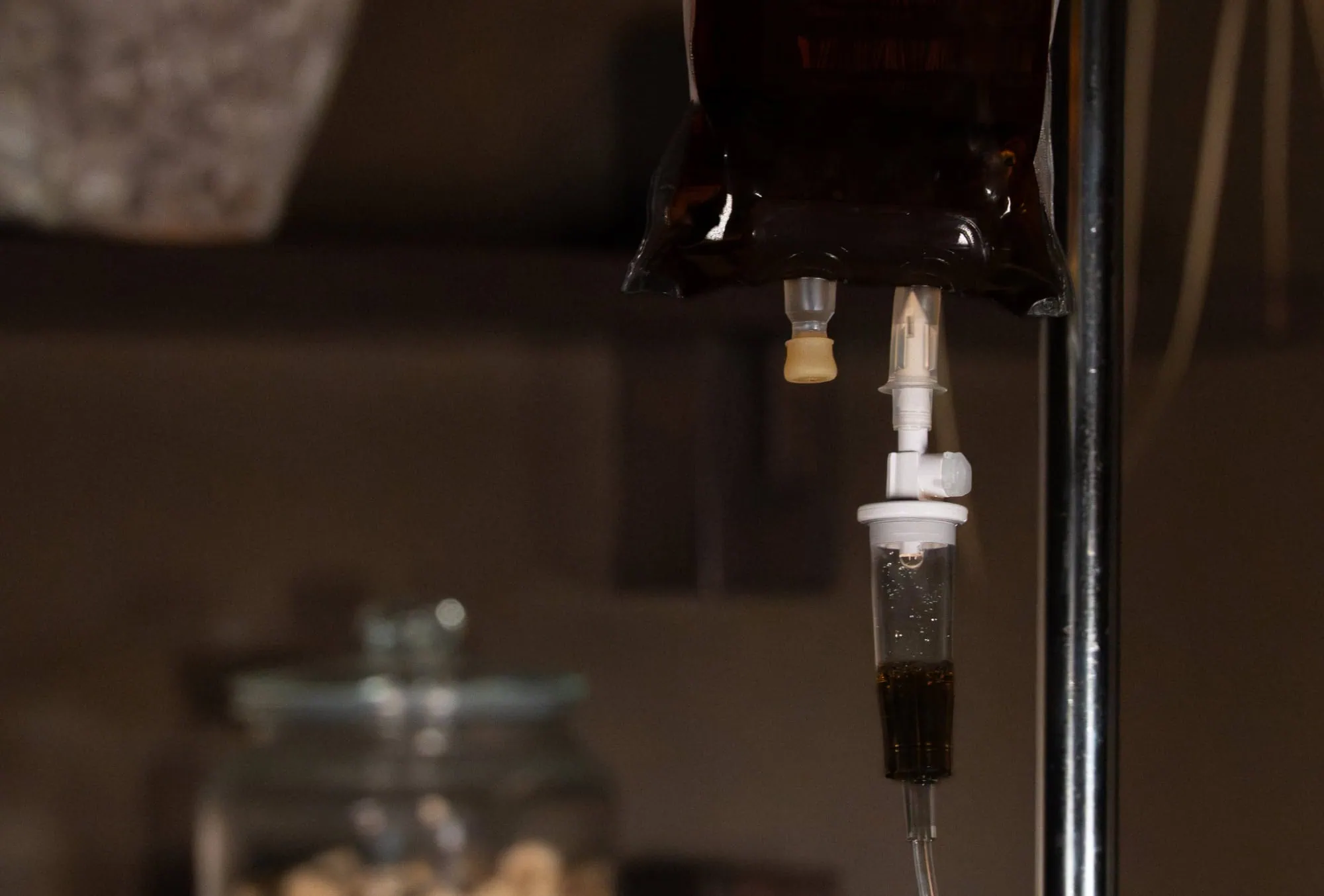
Iron infusions deliver iron directly into the bloodstream, bypassing the digestive system entirely.
This allows for:
- Faster restoration of iron stores
- More efficient absorption
- Fewer gastrointestinal side effects
- More noticeable symptom improvement
Many patients report meaningful changes in:
- Energy levels
- Mental clarity
- Exercise capacity
- Hair health
- Overall resilience
Most begin to notice a shift within a few weeks of treatment.
What to Expect from an Iron Infusion in Vancouver
At Everwell, iron infusions are prescribed and administered by a licensed naturopathic doctor in BC.
We use evidence based formulations such as:
- Monoferric iron infusion
- Venofer iron infusion
Treatment is always personalized based on your labs, symptoms, and overall health picture.
The experience itself is designed to feel calm, supportive, and unrushed, so your body can receive what it needs in a way that feels grounded and restorative.
Does Extended Health Cover Iron Infusions in BC?
Coverage for IV iron therapy in Vancouver depends on your extended health plan. Some plans cover:
- The iron medication itself
- Naturopathic visits
- Administration fees
We recommend checking your individual plan details, as coverage can vary.
How Long Does It Take to Feel Better After an Iron Infusion?
This varies from person to person, but most patients begin to notice improvements within 2–4 weeks.
Energy is often the first shift, followed by improvements in focus, stamina, and overall well being.
For some, the change is gradual. For others, it’s more immediate. The key is restoring iron stores to a level where your body can function optimally and not just “within range.”
You Don’t Have to Be Anemic to Need Support
You don’t have to be anemic to be iron deficient. Ferritin can be low long before hemoglobin drops enough to trigger a clinical diagnosis, and most standard panels don’t look closely enough at how those levels relate to how you actually feel.
If your labs are “normal” but something still feels off, it’s worth paying attention to. With the right assessment and a personalized treatment plan, your energy, clarity, and overall sense of well being can shift in a way that feels both noticeable and sustainable.
If you’re in Vancouver and want a closer look at your iron levels, we’re here to help.