
Acupuncture + TCM in Vancouver + Burnaby
Ancient Wellness at Everwell
How one system influences another. How patterns shift over time. How changes in sleep, digestion, energy, stress, pain and the menstrual cycle can offer clues about the bigger picture.
Acupuncture is one part of that system.
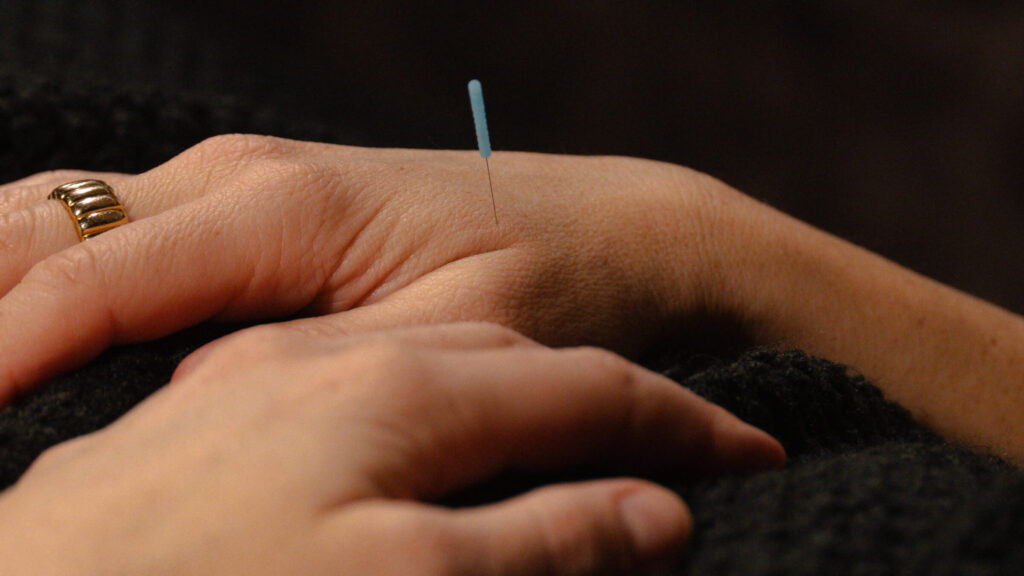
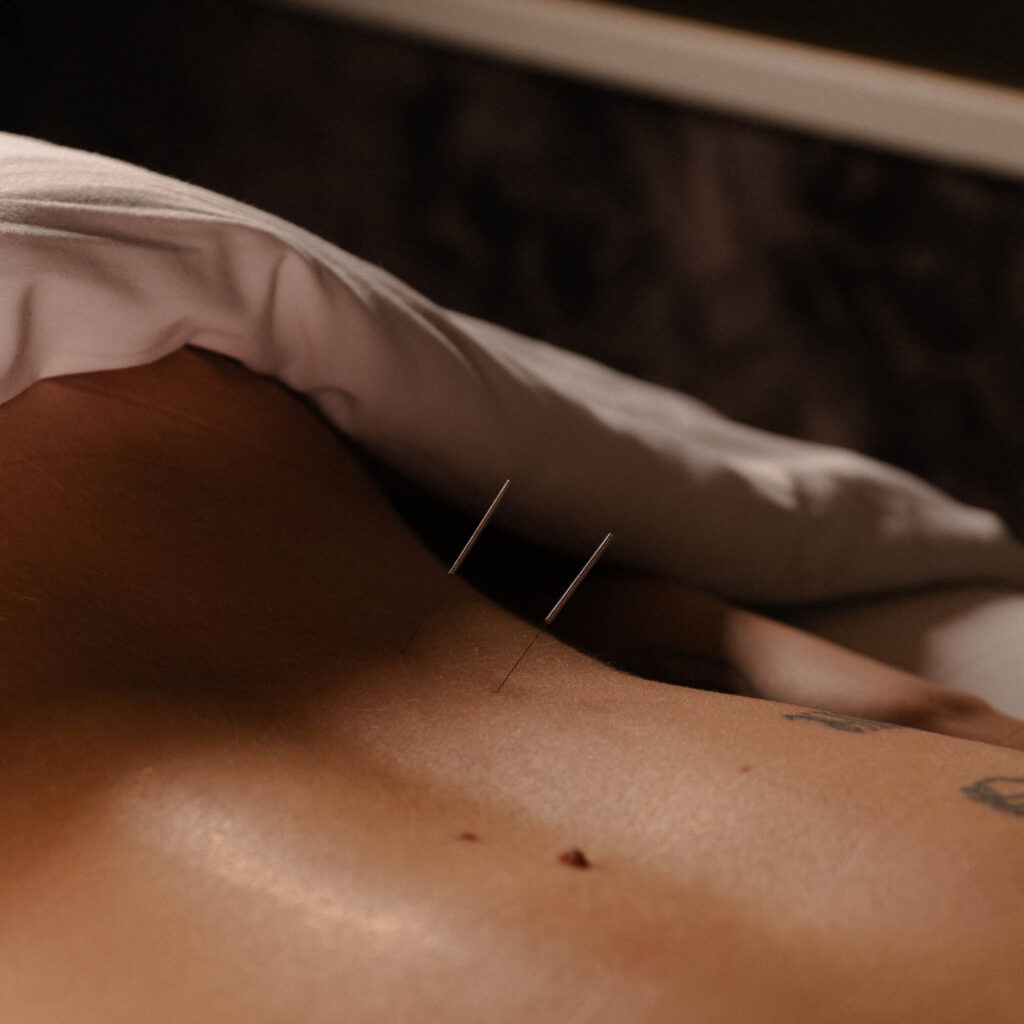
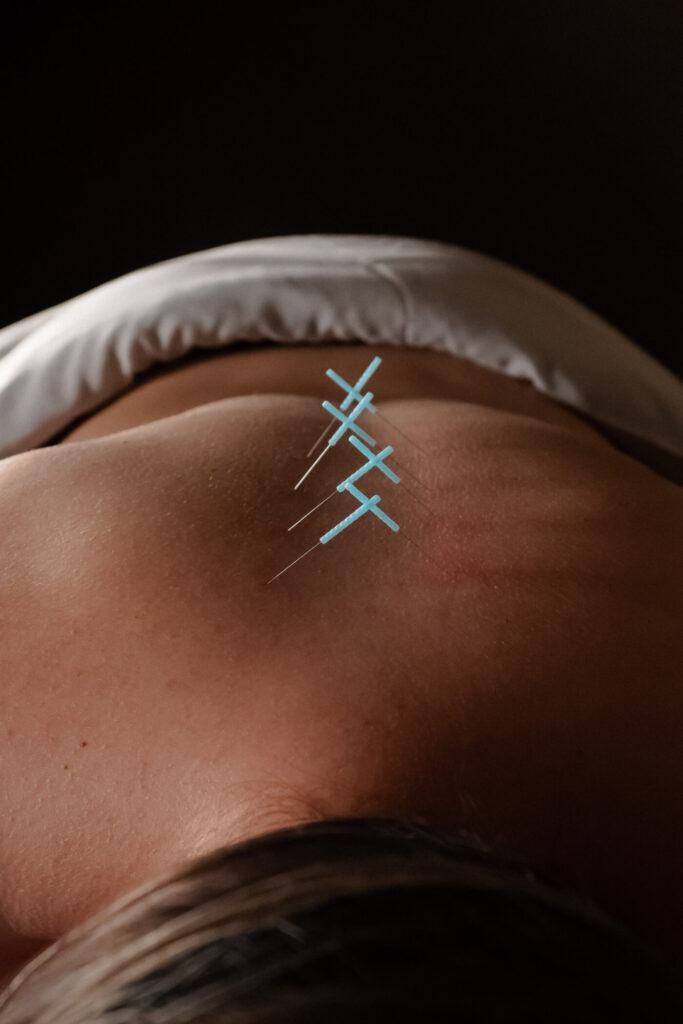
At Everwell, your treatment begins with understanding what you’re experiencing through a Traditional Chinese Medicine lens. Very fine needles are placed at specific acupuncture points based on the patterns your practitioner identifies, with complementary practices such as cupping, moxibustion, ear seeding, and herbal remedies incorporated when appropriate.
What Acupuncture Can Support
Pain + Tension
Stress + Overwhelm
Sleep + Fatigue
Digestion
Women’s Health
Headaches + Migraines
How Acupuncture + TCM Work
Within this framework, Qi moves through pathways traditionally known as meridians. When your practitioner identifies areas of imbalance, deficiency, excess or stagnation, specific acupuncture points are selected to influence those patterns and help bring the system toward greater balance.
Acupuncture is only one tool within this larger practice.
Depending on what your body needs, your treatment may also incorporate cupping, moxibustion, ear seeding or herbal remedies. Each offers another way to work with the patterns your practitioner identifies.
From a contemporary perspective, acupuncture also interacts with the nervous system and local tissues through the stimulation created by needle insertion.
At Everwell, these perspectives can exist together. We can respect the traditional system acupuncture comes from while allowing it to sit comfortably alongside everything modern medicine has taught us about the body.
What to Expect from Acupuncture
- Your Registered Acupuncturist will ask about what brought you in, along with other aspects of your health that may help them understand the patterns surrounding it. Depending on your concerns, this may include sleep, stress, digestion, energy, menstrual health, pain and other changes you've noticed.
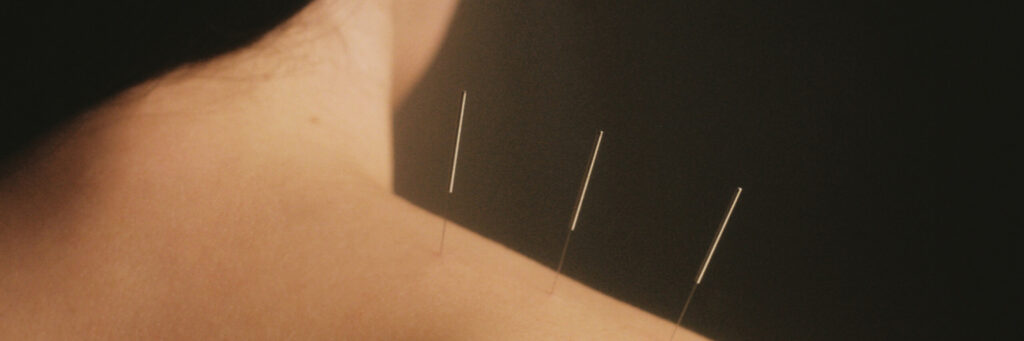
- Your practitioner will then select acupuncture points based on your individual assessment. Very fine, sterile, single-use needles are gently inserted at specific points on the body. Once they're in place, you'll have time to settle in and rest while your treatment takes place.
- Depending on what your body needs, your session may also incorporate complementary practices such as cupping, moxibustion or ear seeding.
- Some people come to acupuncture for a specific concern. Others return because regular treatment gives them a place to slow down, reconnect and support their health as it changes.
Connected Ancient Wellness + Whole-person Care at Everwell
Glass Fire Cupping
Use traditional fire cupping as a dedicated treatment to work more directly with areas of muscular tension, discomfort and stagnation through the application of suction.Explore Glass Fire CuppingCosmetic Facial Acupuncture
Bring the principles of Traditional Chinese Medicine and ancient wellness into your approach to skin and healthy aging, using acupuncture to support the face while considering the larger patterns within the body.Explore Cosmetic Facial AcupunctureMoxibustion
Introduce therapeutic warmth using moxa, traditionally made from dried mugwort, at specific acupuncture points or areas selected according to your individual TCM assessment.Ear Seeding
Extend gentle acupressure beyond your appointment with small seeds placed over specific points on the ear, selected according to the patterns and concerns being addressed through your care.
Preparing for Acupuncture
Before Your Treatment
Eat something before your appointment rather than arriving on an empty stomach, and stay adequately hydrated.
Wear loose, comfortable clothing when possible so your practitioner can easily access the areas being treated.
Let your practitioner know about your current medications and supplements, health conditions, pregnancy or possible pregnancy, and any recent changes in your health.
After Your Treatment
Give yourself a little room to notice how you feel. Some people leave acupuncture feeling deeply relaxed, while other changes may be more gradual.
Temporary tenderness, minor bruising or a small amount of bleeding can occasionally occur around a needle site. If your treatment included cupping, temporary circular marks may remain where the cups were placed.
Your practitioner will discuss whether another treatment is recommended and what frequency makes sense based on what you’re addressing and how you respond.
Acupuncture FAQs
What is Acupuncture?
Acupuncture is one practice within the larger system of Traditional Chinese Medicine. It involves placing very fine needles at specific points on the body selected according to your individual symptoms and the patterns identified by your practitioner.
What can acupuncture support?
People come to acupuncture with concerns related to pain and muscle tension, stress, sleep, fatigue, digestion, headaches and migraines, menstrual health, and other areas of wellbeing.
Your practitioner will look beyond the individual symptom to understand how it fits within the broader patterns of your health.
What is Qi?
Qi is a foundational concept within Traditional Chinese Medicine used to understand the vital energy or functional activity of the body.
Traditional acupuncture theory considers how Qi moves through pathways known as meridians and looks at patterns of balance, deficiency, excess or stagnation when determining treatment.
What is Moxibustion?
Moxibustion is a traditional practice that uses moxa, commonly made from dried mugwort, to introduce warmth near specific acupuncture points or areas of the body. It may be incorporated into your treatment when your practitioner determines it is appropriate based on your individual TCM assessment.
What are ear seeds?
Ear seeding is a form of auricular therapy that places small seeds or beads over specific points on the ear. They provide gentle stimulation to selected points and can remain in place after you leave, extending one element of your treatment beyond the appointment itself.
Does acupuncture hurt?
Acupuncture needles are extremely fine, and many people experience little discomfort with insertion. You may notice sensations such as heaviness, warmth, tingling or a dull ache around certain points during treatment. Your practitioner will check in with you and can make adjustments if anything feels uncomfortable.
How many acupuncture treatments will I need?
There isn’t one treatment schedule for everyone. Your Registered Acupuncturist will consider what you’re addressing, how long it has been present, your overall health, and how you respond to treatment before recommending a treatment rhythm.
Some people come for a specific period of care. Others make acupuncture a more regular part of how they support themselves over time.
Is Acupuncture covered under extended benefits?
Yes, Acupuncture can be covered under extended benefits in BC. However, we do not offer direct billing. Patients are required to pay in full at the time of their appointment. We will provide you with a detailed, itemized receipt containing all the necessary practitioner information so you can easily submit the claim directly to your insurance provider for reimbursement.