

Polycystic Ovary Syndrome has been understood largely through its name, a condition involving the ovaries and, presumably, ovarian cysts.
That name has always been a little misleading.
You can have PCOS without ovarian cysts, and many of the most disruptive PCOS symptoms happen far beyond the reproductive system. Fatigue, hormonal acne, hair changes, brain fog, anxiety, difficulty managing blood sugar, and changes in weight can all be part of the picture.
In 2026, an international consensus officially introduced a new name for the condition: Polyendocrine Metabolic Ovarian Syndrome (PMOS). The change reflects what we now understand about a condition that affects approximately one in eight women worldwide, and how its effects extend across hormonal, metabolic, reproductive, skin, and mental health.
Why PCOS Is Now Called PMOS
The name Polycystic Ovary Syndrome placed enormous emphasis on something that isn’t actually required to have the condition, polycystic appearing ovaries.
The new name, Polyendocrine Metabolic Ovarian Syndrome, better reflects the systems involved. “Polyendocrine” recognizes the multiple interacting hormonal pathways involved, while “Metabolic” acknowledges the important role of insulin resistance and metabolic health. “Ovarian” remains because ovulation and ovarian function are still important parts of the condition.
For patients, the distinction matters because it changes the way we think about symptoms. Someone experiencing acne, fatigue, blood sugar instability, or excess facial hair may not immediately connect those concerns to PCOS, particularly if their ultrasound appears normal.
PCOS Symptoms Can Show Up Throughout the Body
Irregular or absent periods are an important clue with PCOS, but they are only one part of the picture. The hormonal and metabolic changes associated with the condition can affect everything from your skin and hair to your energy, concentration, mood, and weight.
Common symptoms can include:
- Persistent fatigue or energy crashes, particularly after meals
- Brain fog or difficulty concentrating
- Hormonal acne, particularly around the chin, jawline, and lower cheeks
- Increased facial or body hair
- Hair thinning or increased shedding from the scalp
- Difficulty losing weight or unexplained weight gain
- Oily or inflamed skin
- Darkened areas of skin, known as acanthosis nigricans
- Anxiety, irritability, or changes in mood
- Irregular, infrequent, or absent periods
- Difficulty ovulating or conceiving
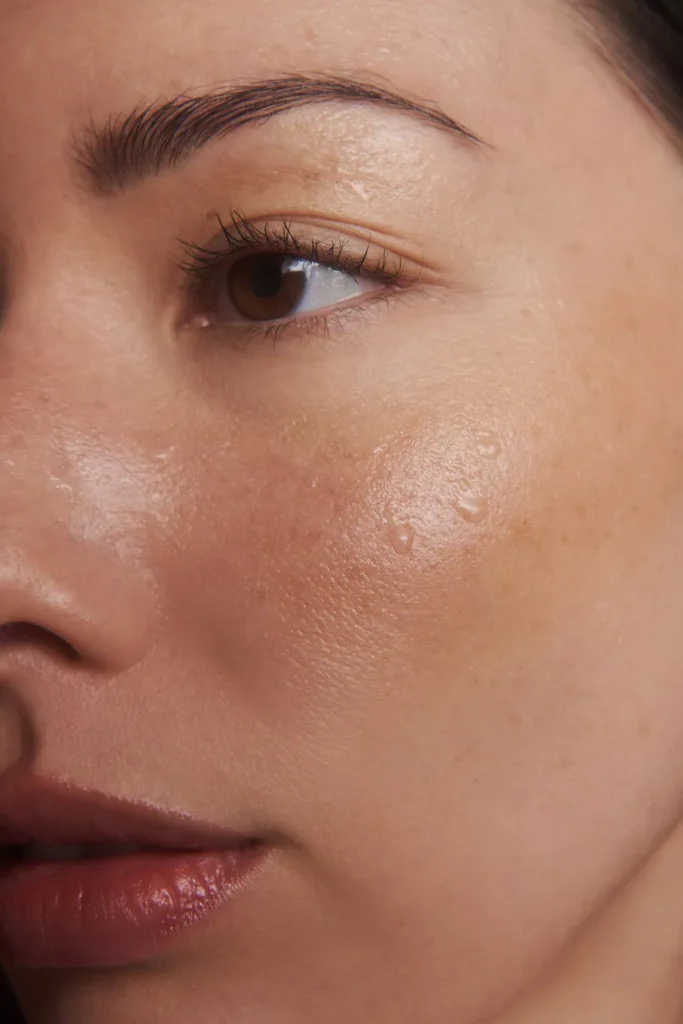
Some of these symptoms are more closely connected than they may initially appear. Higher androgen activity can contribute to hormonal acne and increased facial or body hair while simultaneously contributing to hair thinning on the scalp. Metabolic changes and insulin resistance can show up as fatigue after meals, cravings, brain fog, difficulty managing weight, or energy that seems to rise and crash throughout the day.
This wide range of symptoms is part of why PCOS can go undiagnosed for years. When concerns like acne, fatigue, hair changes, mood changes, and irregular cycles are looked at separately, the underlying hormonal and metabolic pattern can be easier to miss.
The Connection Between Insulin Resistance and PCOS
Insulin resistance and PCOS are closely connected for many patients.
After you eat carbohydrates, glucose enters the bloodstream and insulin helps move that glucose into cells where it can be used for energy. When cells become less responsive to insulin, the body compensates by producing more of it.
Higher insulin levels can then influence the ovaries to produce more androgens. This can contribute to acne, irregular ovulation, unwanted hair growth, and other familiar PCOS symptoms.
Blood sugar instability may also help explain why some women with PCOS experience significant fatigue and brain fog. Energy can feel unpredictable when the body is struggling to regulate glucose efficiently.
This is one reason a comprehensive PCOS treatment in Vancouver may look beyond reproductive hormones alone.
Can You Have PCOS Without Ovarian Cysts?
Yes, you can have PCOS without the presence of ovarian cysts.
Historically, PCOS diagnosis has commonly relied on a combination of ovulatory dysfunction, signs of androgen excess, and polycystic ovarian morphology, rather than requiring every feature to be present.
The recent shift toward PMOS makes that distinction much easier to understand. The condition is not defined by the presence of abnormal ovarian cysts, and experts involved in the renaming specifically identified the old terminology as a source of misunderstanding and delayed diagnosis.
So if your ultrasound doesn’t show cysts, that alone does not necessarily explain away symptoms such as irregular cycles, hormonal acne, excess facial hair, or metabolic changes.
Why PCOS Can Look Different From Person to Person
There isn’t one universal PCOS experience.
One woman may primarily struggle with irregular periods and fertility. Another may have relatively predictable cycles but persistent hormonal acne and hair growth. Someone else may notice fatigue, weight changes, insulin resistance, or brain fog as their most disruptive symptoms.
Body size isn’t a reliable way to rule it out either. Women with so-called “lean PCOS” can still experience androgen excess, ovulatory dysfunction, and metabolic changes.
That variability is why identifying the pattern behind your symptoms matters more than working through a generic PCOS checklist.
Naturopathic PCOS Treatment in Vancouver
A naturopathic PCOS treatment in Vancouver can include a broader assessment of the hormonal and metabolic factors contributing to your individual symptoms.

Depending on your history, symptoms, and existing testing, this may involve looking at glucose and insulin regulation, androgen levels, thyroid function, nutrient status, menstrual patterns, sleep, stress physiology, and other factors that could be contributing to the overall picture.
Treatment can then be individualized. Nutrition and lifestyle strategies may focus on improving blood sugar stability and insulin sensitivity, while other patients may benefit from targeted supplements or medications based on their clinical needs.
The important part is understanding why the symptoms are happening before deciding how to address them.
What the Change From PCOS to PMOS Means for Patients
The transition from PCOS to PMOS is more than a terminology update. It reflects a much broader understanding of a condition that has historically been reduced to periods, fertility, and cysts.
If you’ve been dealing with unexplained fatigue, stubborn hormonal acne, hair changes, brain fog, irregular cycles, or difficulty regulating blood sugar, those symptoms deserve to be considered together rather than treated as completely separate problems.
For women looking for PCOS treatment in Vancouver, this broader perspective can help uncover connections that may have been missed when the focus stayed exclusively on the ovaries.
We take a whole body approach to hormonal health at Everwell, looking at the reproductive, metabolic, endocrine, and lifestyle factors influencing how you feel. Understanding the full pattern gives us a much better place to start.