
PRP Hair Restoration in Vancouver + Burnaby
PRP for Hair Loss + Thinning at Everwell
Changes in density, shedding or growth can be influenced by genetics, hormones, stress, nutrition, age and what is happening within the scalp and hair follicle itself. PRP Hair Restoration gives us a way to work directly with the follicle.
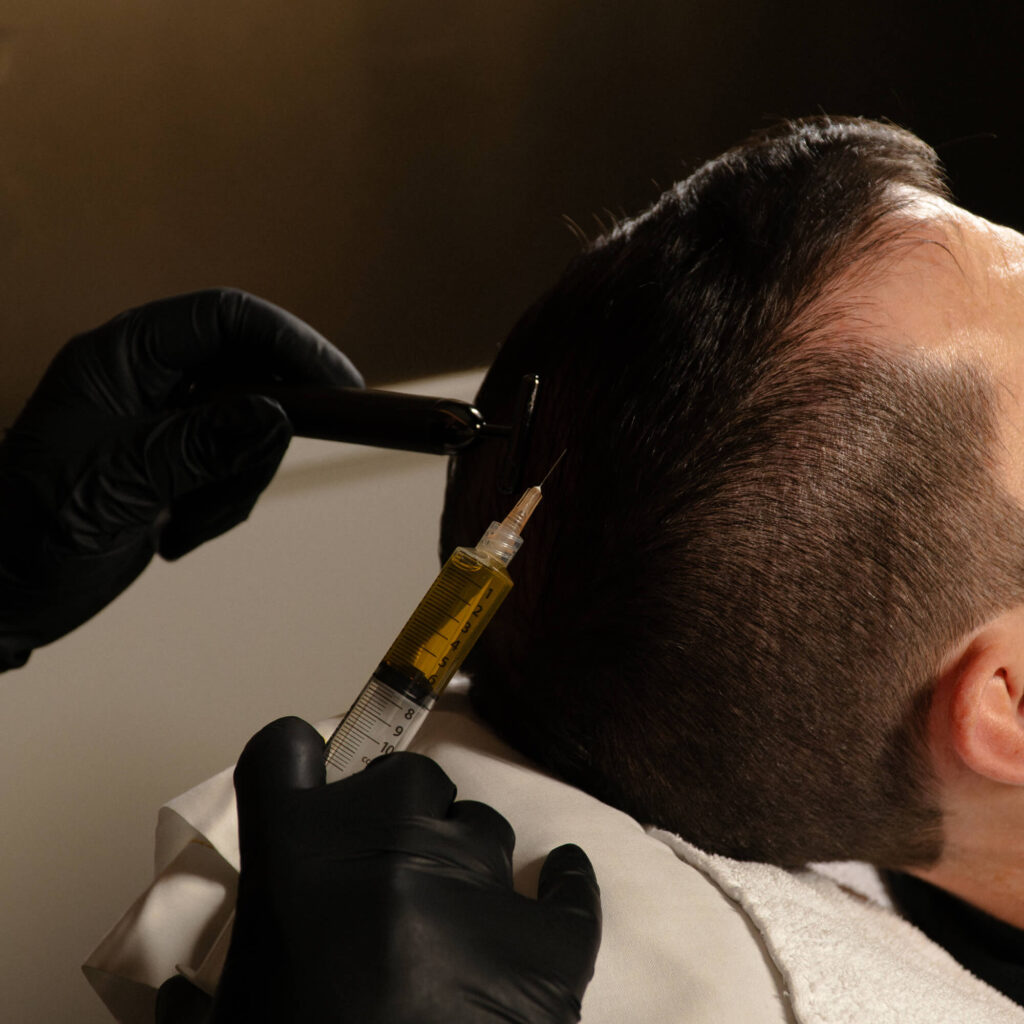
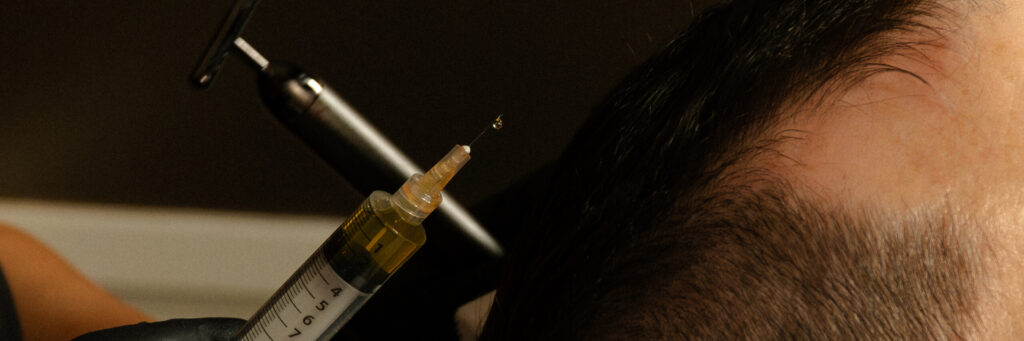
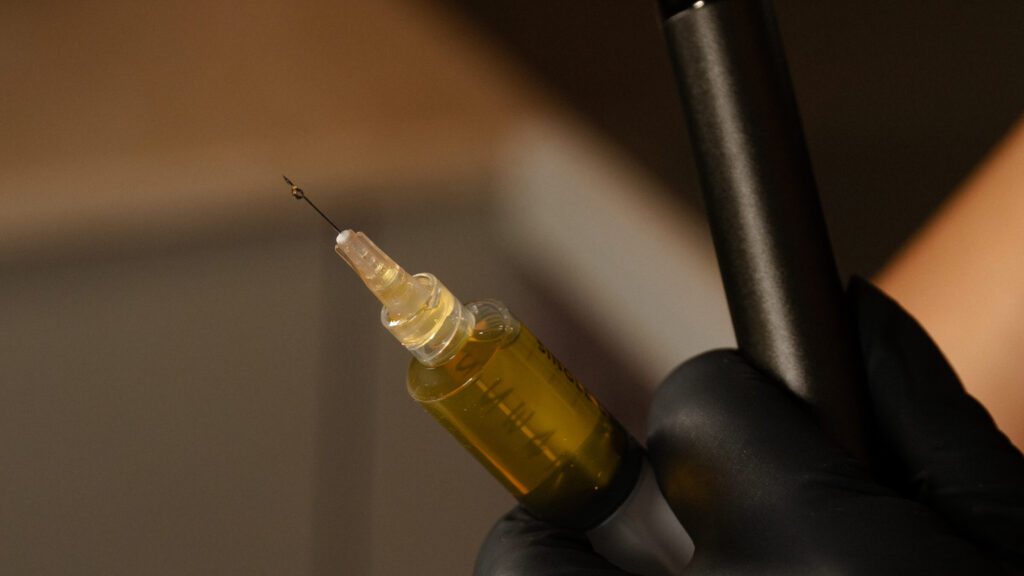
A small amount of your blood is collected and processed to concentrate platelet-rich plasma, which is then injected strategically into areas of the scalp experiencing thinning. Platelets release growth factors involved in tissue repair and cellular signalling, creating an environment that can support follicular activity and hair growth.
But at Everwell, what we inject into the scalp is only one part of the conversation. We also want to understand why your hair may be changing in the first place.
What PRP Hair Restoration Can Support
Hair Thinning
Pattern Hair Loss
Hair Density
Hair Shedding
Follicle Health
Hair Growth + Maintenance
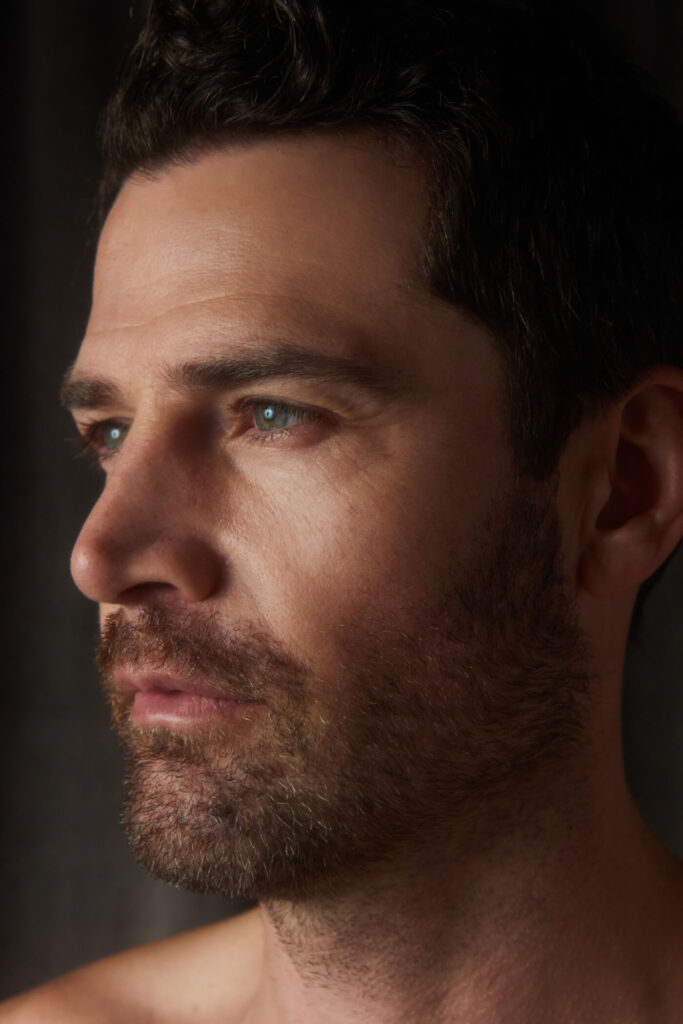
How PRP Hair Restoration Works
Platelets contain growth factors and signalling proteins involved in the body’s natural repair processes. When PRP is injected into targeted areas of the scalp, these concentrated components are delivered directly to the tissues surrounding the hair follicles.
The goal is to support follicular activity, prolong the active growth phase of the hair cycle and encourage stronger growth from follicles that are still capable of producing hair.
PRP cannot create an entirely new follicle where one no longer exists. Which is why timing matters. The earlier we understand what is changing, the more options we may have for supporting what is still there.
What to Expect from PRP Hair Restoration
- We'll look at where thinning or shedding is occurring, how long it has been happening and whether there may be a broader health pattern worth investigating alongside treatment.
- If PRP is appropriate, a small amount of blood is collected and processed to concentrate the platelet-rich plasma. The PRP is then injected in a series of small, strategic placements throughout the areas of the scalp we're treating.
- You may feel brief pinching, pressure or tenderness during the injections. The scalp can remain mildly tender afterward, but most people are able to return to their usual routine relatively quickly.
PRP Hair Restoration Results
Results
Treatment Time
Discomfort
Recovery
Hair grows in cycles, so PRP results develop gradually. Changes in shedding may be noticed before visible improvements in density, while new or stronger growth can take several months to become apparent.
PRP Hair Restoration is typically approached as a series rather than a single treatment. The number and spacing of sessions will depend on your pattern of hair loss, follicular health, individual response and the broader treatment plan. Maintenance may also be recommended to support results over time.
Connected Hair + Health Care at Everwell
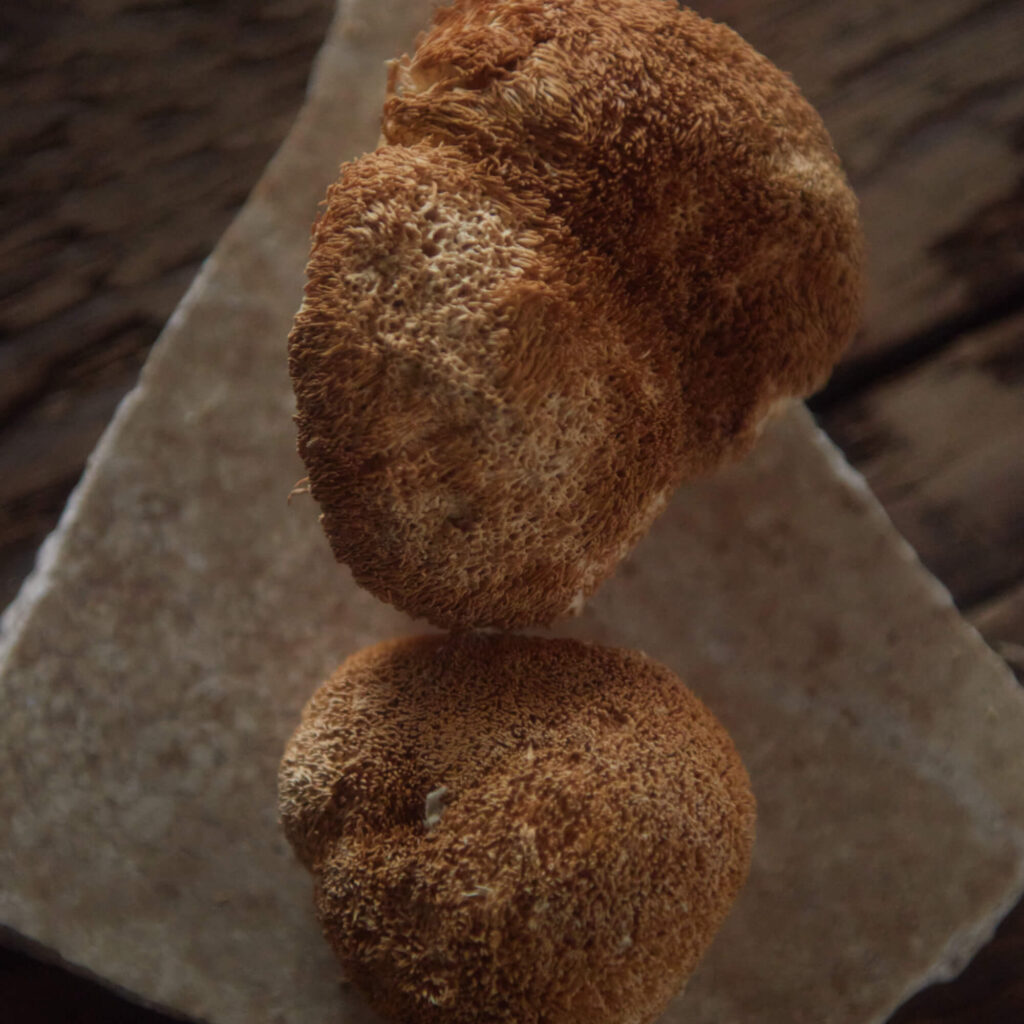

Naturopathic Medicine
Peri + Menopause Hormone Consultation
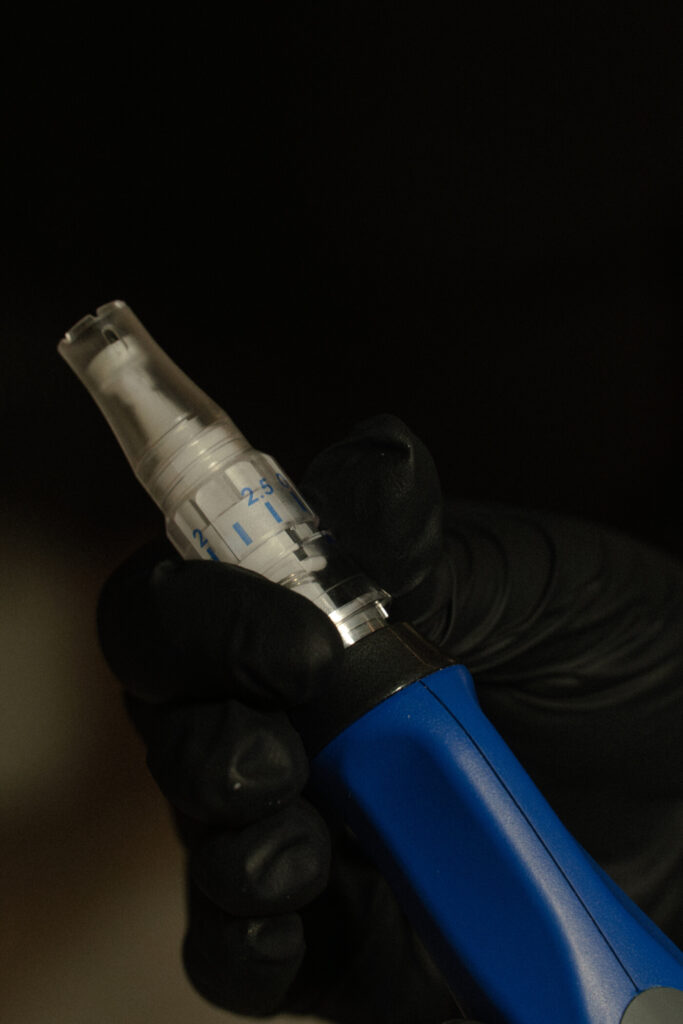
Microneedling + Exosomes for Hair Growth
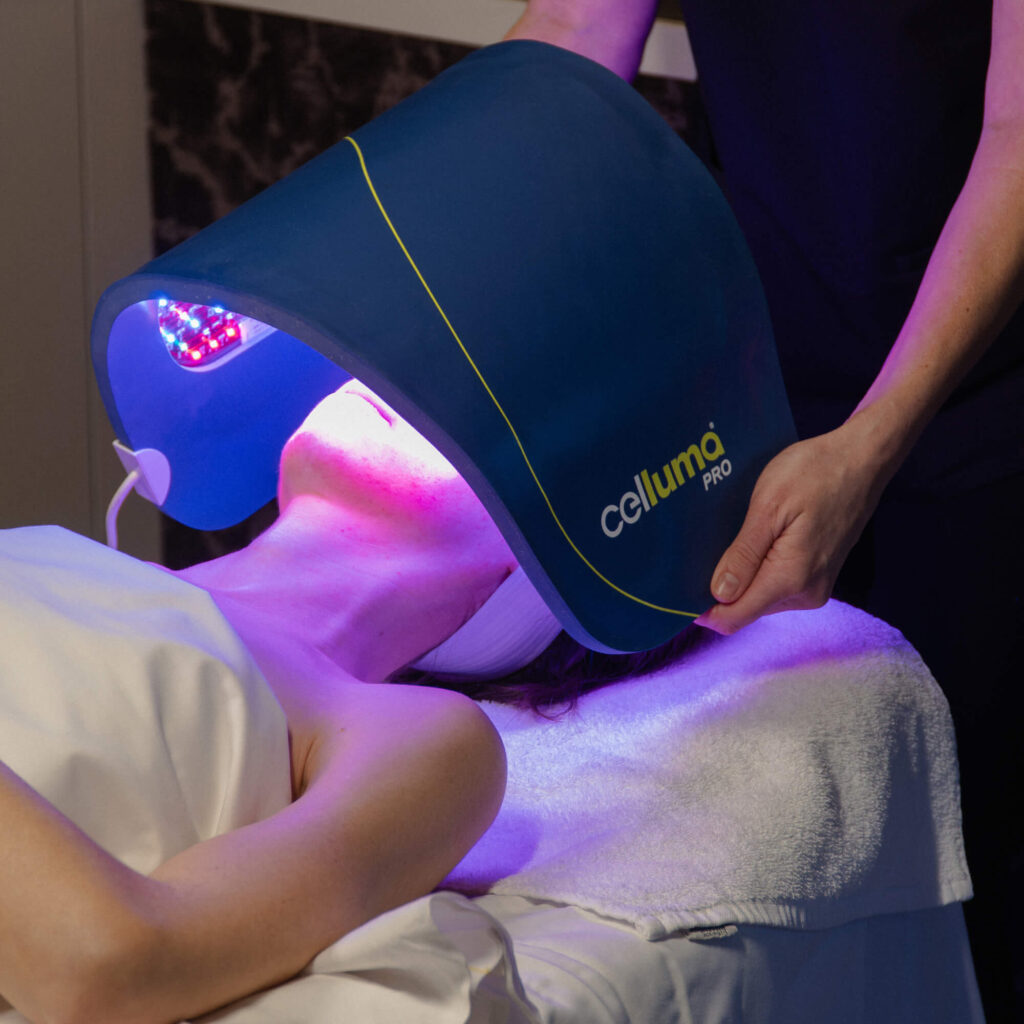
LED Light Therapy
PRP Hair Restoration Pre + Post Care
- The day before treatmentIncrease your water intake by drinking 2 glasses in the morning, 2 at lunch, and 2 at dinner.
- On the day of treatmentDrink approximately 500 mL of water before your appointment and eat a normal breakfast or lunch.
- 7 days beforeAvoid vitamin A, vitamin E, ginkgo biloba, garlic, flaxseed oil, cod liver oil, and essential fatty acid supplements. Discontinue multivitamins, but you may continue iron and vitamin D.*
- 3–7 days beforeAvoid aspirin, ibuprofen (Advil or Motrin), naproxen (Aleve), diclofenac (Voltaren), and other anti-inflammatory medications.*
- 3 days beforeAvoid alcohol and, where possible, smoking.
- Hair preparationWash your hair the morning of your appointment or the day before. Hair colouring is permitted up to 3 days before treatment.
- First 8 hoursAvoid touching, pressing, rubbing, or massaging the treated areas.
- First 3 hoursKeep your hair dry. You may wash your hair the following morning using a gentle, pH-balanced shampoo.
- First 6 hoursAvoid applying styling products to your hair.
- First 48 hoursAvoid strenuous exercise, excessive heat, saunas, steam rooms, swimming, and direct sun exposure. You may wear a hat to protect your scalp.
- First 3 daysAvoid alcohol, caffeine, and smoking. Do not colour or chemically straighten your hair, and avoid using minoxidil (Rogaine).
- First 3–7 daysAvoid aspirin, ibuprofen (Advil or Motrin), naproxen (Aleve), diclofenac (Voltaren), and other anti-inflammatory medications.*
- First 7 daysContinue increasing your water intake to support hydration.
- First 1–2 weeksAvoid vitamin A, vitamin E, ginkgo biloba, garlic, flaxseed oil, cod liver oil, and essential fatty acid supplements.*
*Do not stop or adjust prescribed medications without consulting your prescribing healthcare provider.
- TendernessMild redness, swelling, tenderness, itching, or bruising may occur around the injection sites. These effects are temporary and typically resolve within 2–5 days.
- ResultsPRP works by supporting the body's natural regenerative processes, so improvements in hair and scalp health develop gradually over time.
PRP Hair Restoration FAQs
What is PRP Hair Restoration?
PRP Hair Restoration uses platelet-rich plasma prepared from your own blood and injected into targeted areas of the scalp.
Platelets contain growth factors and signalling proteins involved in tissue repair. The goal of treatment is to support the activity and environment of existing hair follicles to encourage healthier growth.
What types of hair loss can PRP help with?
PRP is commonly considered for people experiencing thinning hair or pattern hair loss where viable follicles remain. Hair loss has many possible causes, so an assessment is important before assuming PRP is the right treatment.
Can PRP regrow hair in completely bald areas?
No. PRP works with existing hair follicles. It cannot create entirely new follicles where they no longer exist. This means areas with active but miniaturized or weakened follicles are generally more appropriate targets than areas where follicles are no longer viable.
What’s the difference between PRP and microneedling with exosomes for hair growth?
Both are regenerative approaches, but they use different methods.
PRP uses platelet-rich plasma prepared from your own blood and injects it into targeted areas of the scalp. Microneedling creates controlled microchannels within the scalp and can be paired with exosome based treatment as part of a broader strategy for supporting the follicular environment.
Depending on your needs, your practitioner may recommend one approach or incorporate different treatments into the same longer term plan.
When will I see results from PRP Hair Restoration?
Hair grows slowly and in cycles, so visible results take time.
Some people may notice changes in shedding first, followed by improvements in growth or density over the following months. Your practitioner will discuss an appropriate timeline for reassessment based on your treatment plan.
How many PRP Hair Restoration treatments will I need?
PRP Hair Restoration is generally planned as a series of treatments followed by reassessment and, when appropriate, maintenance.
The exact number and spacing of sessions should be personalized based on your hair loss pattern, follicular health and response rather than assuming everyone needs the same protocol.
How long do PRP Hair Restoration results last?
Results vary because hair loss itself can continue to evolve.
PRP may support existing follicles, but it doesn’t permanently remove the underlying factors contributing to hair loss. Maintenance treatment or additional approaches may therefore be recommended depending on your individual pattern.
Book PRP Hair Restoration in Vancouver + Burnaby
PRP gives us a way to work directly with the follicles that are still there, while Everwell’s broader approach allows us to look at the health, hormones and other factors influencing them from within.
We’ll start with the pattern, look for the connections and build a plan designed for the long game.